Why Scenario Planning?
Scenario planning helps us:
Expand our collective imagination beyond business-as-usual projections
Stress-test policies against a range of futures, not just one forecast
Identify where our institutions might break and what needs reinforcing now
Build societal resilience by preparing for economic shocks before they arrive
Surface the questions, pressure points, and choices that will matter most
Build common vocabulary across economists, technologists, policymakers, and other communities
Our Workshops
Foundations
The Economics of TAI
San Francisco, September 17th 2025
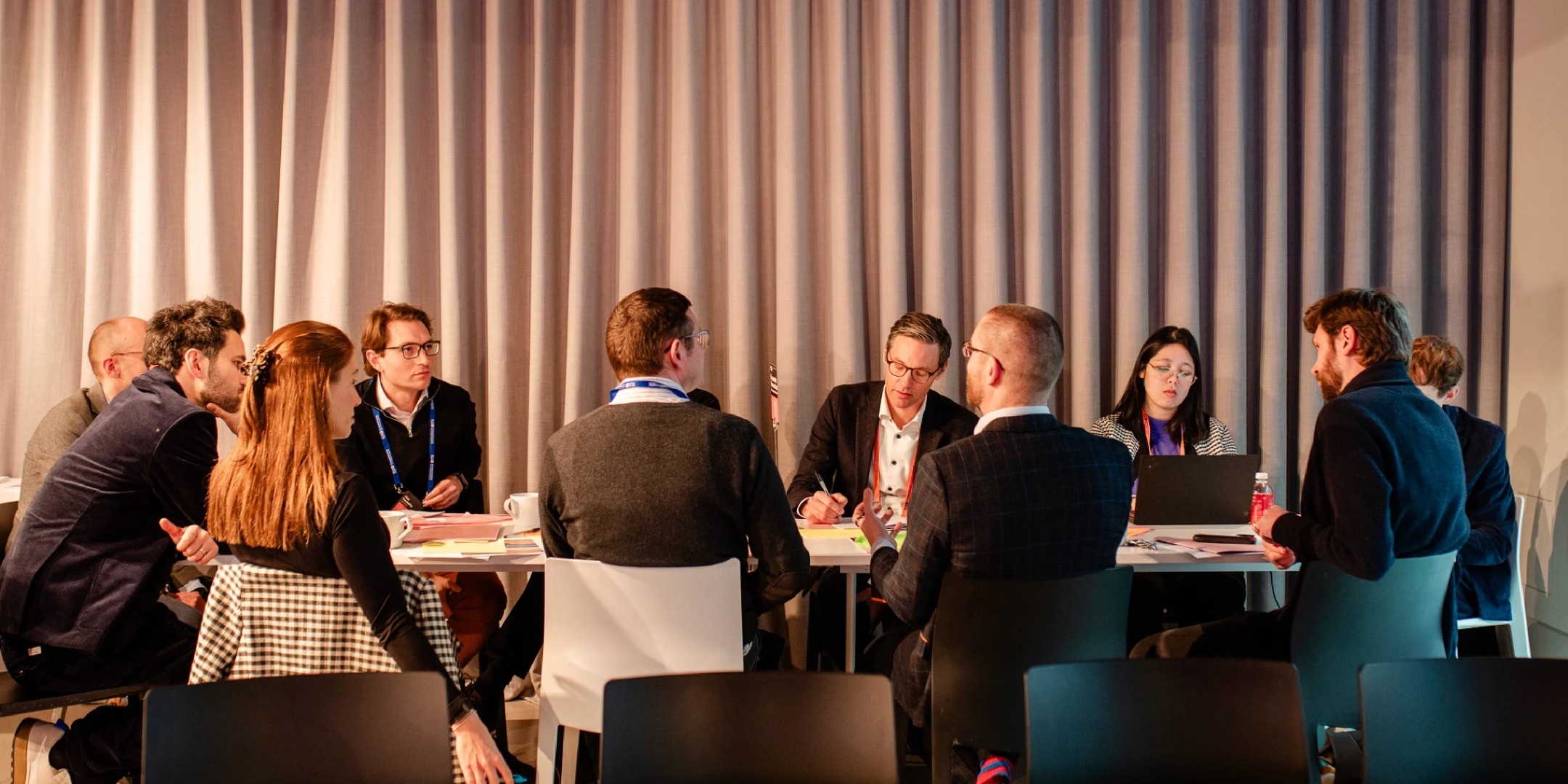
Co-convened with Anton Korinek, Erik Brynjolfsson, and Ajay Agrawal, this workshop brought together 40+ leading economists and AI lab representatives to stress-test the macroeconomic implications of transformative AI. Participants worked through four high-growth scenarios, exploring how different speeds and shapes of AI adoption could reshape labor markets, productivity, and the broader economy.
Dignity of Work in the Age of TAI
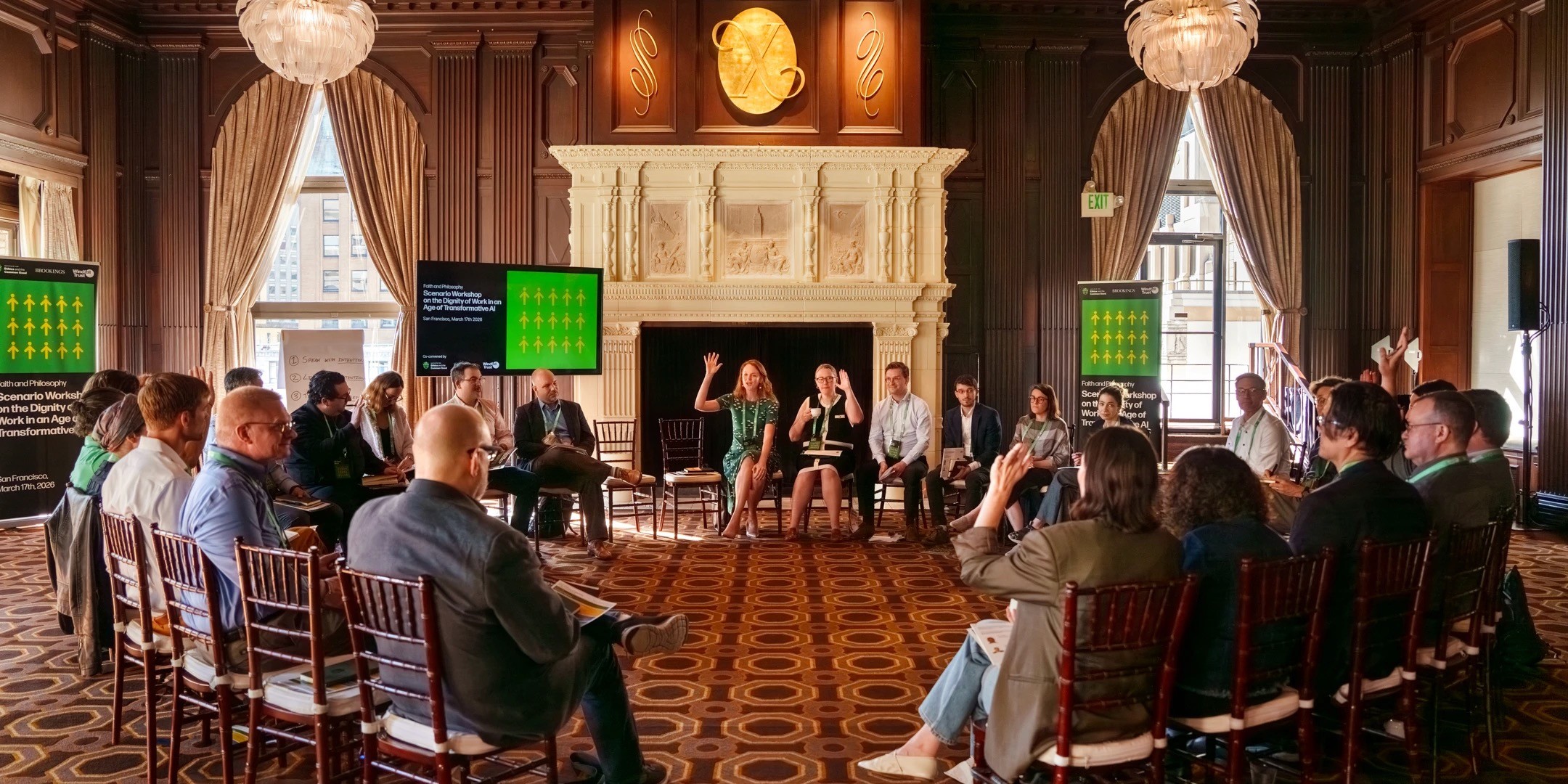
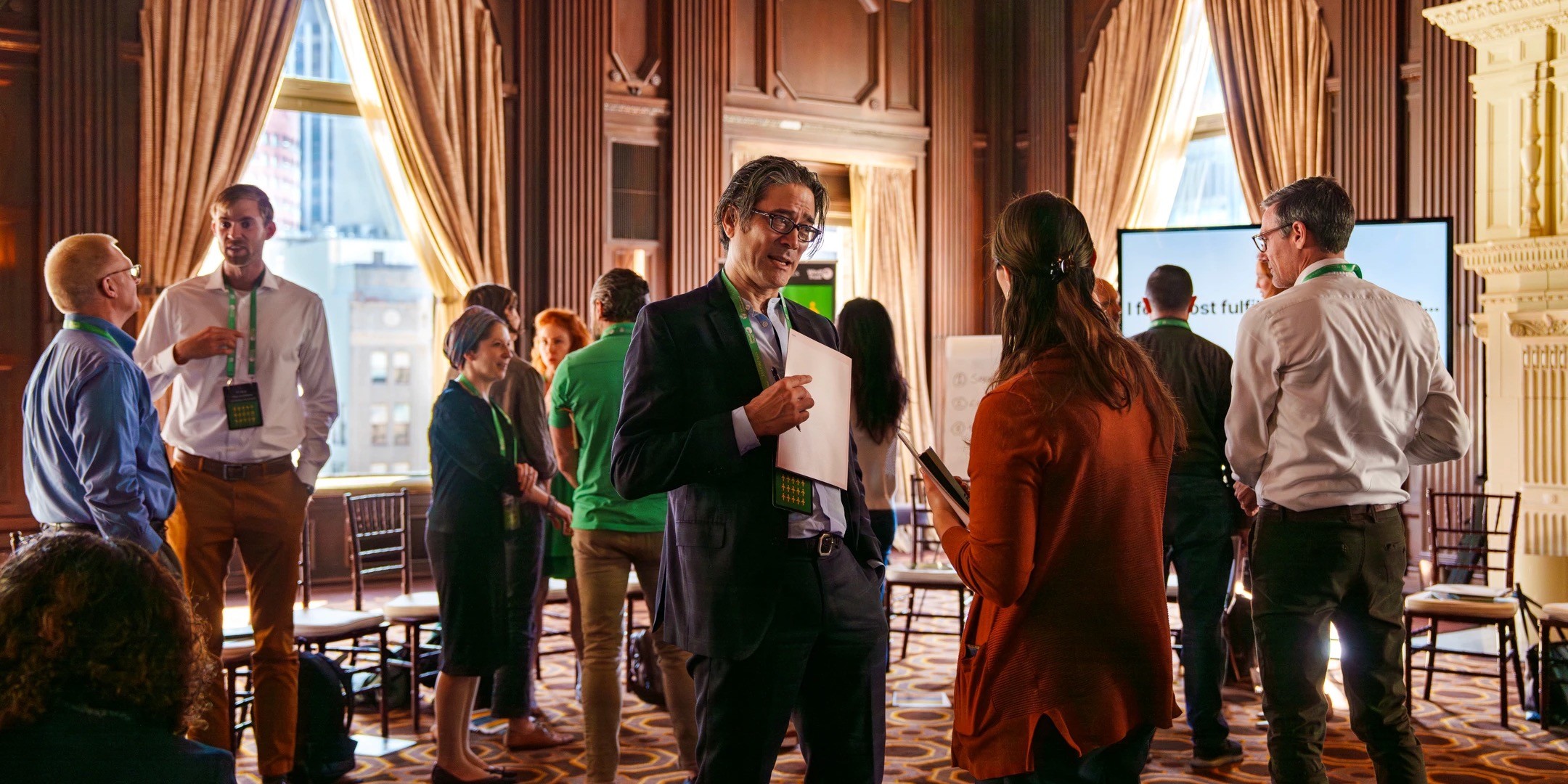
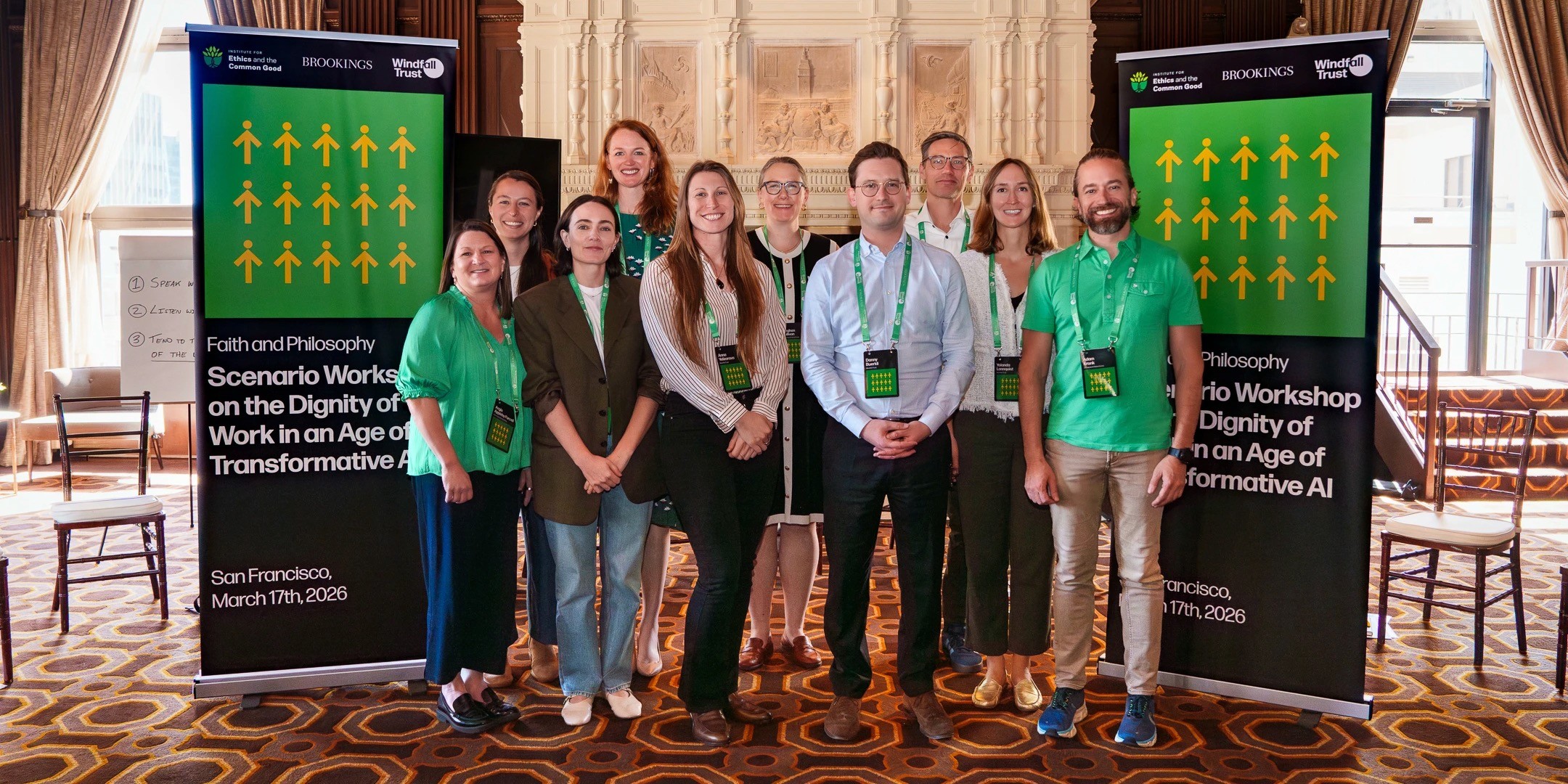
San Francisco, March 17th 2026
Co-convened with Notre Dame, this workshop brought AI lab participants together with voices from faith and philosophy to confront a question economics alone can't settle: what happens to human dignity when machines can do all the work? Participants compared two sharply different futures — one built around guaranteed income, the other around guaranteed jobs — to surface the deeper tensions beneath the policy debate.
Global Economic and Financial Implications of AI
Washington, DC, December 10–11, 2025
Co-convened with the IMF and Anton Korinek's Economics of Transformative AI Initiative at the University of Virginia, this workshop brought together roughly 50 IMF staff, central bankers, and outside AI and economics experts to stress-test how a genuinely transformative AI transition—not just another technology shock—would ripple through growth, labor markets, and financial stability.
Participants worked through two diffusion scenarios that shared the same aggressive assumption about frontier AI capability but diverged on how fast societies absorb it: a baseline world where regulation, infrastructure bottlenecks, and public pushback slow adoption to a crawl, against a runaway world where automation sweeps across sectors with almost no friction.
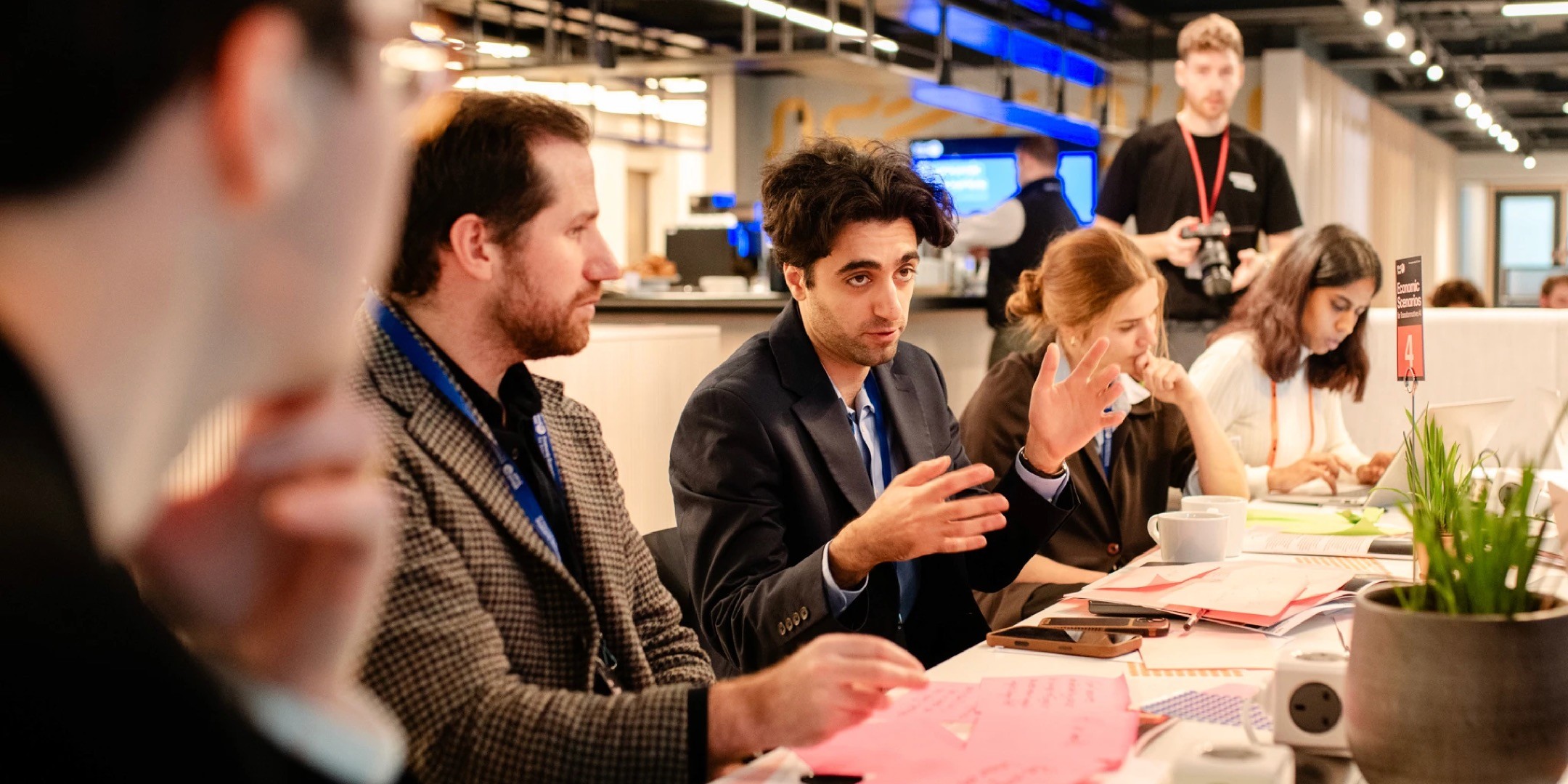
Groups were tasked with mapping the economic fallout of each scenario under current policy, then asked how governments should respond—surfacing where fiscal, monetary, and financial-stability tools would strain or break under each path.

In Practice
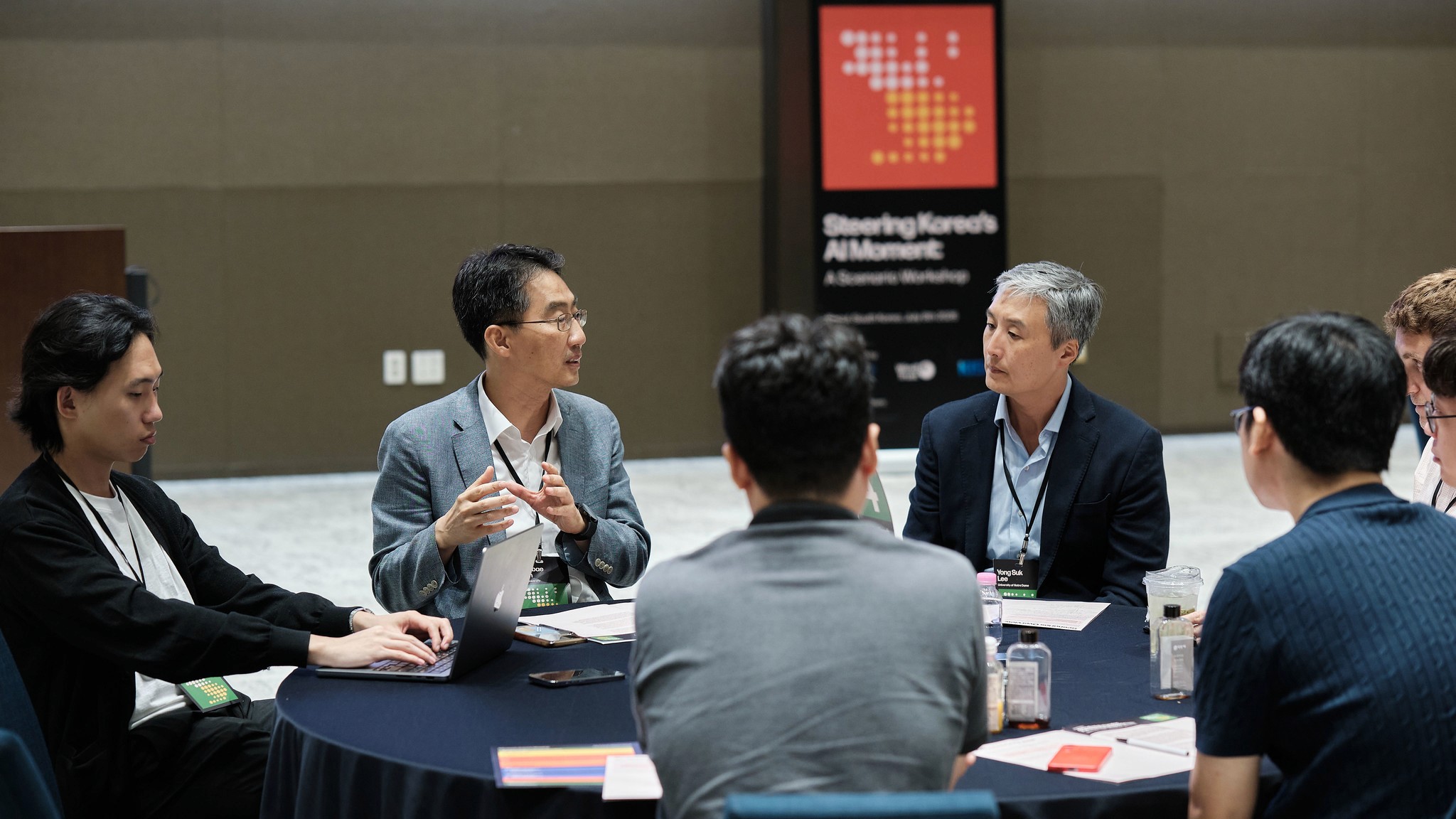
Korea's AI Windfall: Avoiding the K-Shaped Economy
Seoul, July 2026
Economists, technologists, and policymakers gathered in Seoul at a workshop co-organized with the Bank of Korea to test whether Korea's next transformation can hold its social contract together.



When America's Economy Meets AI
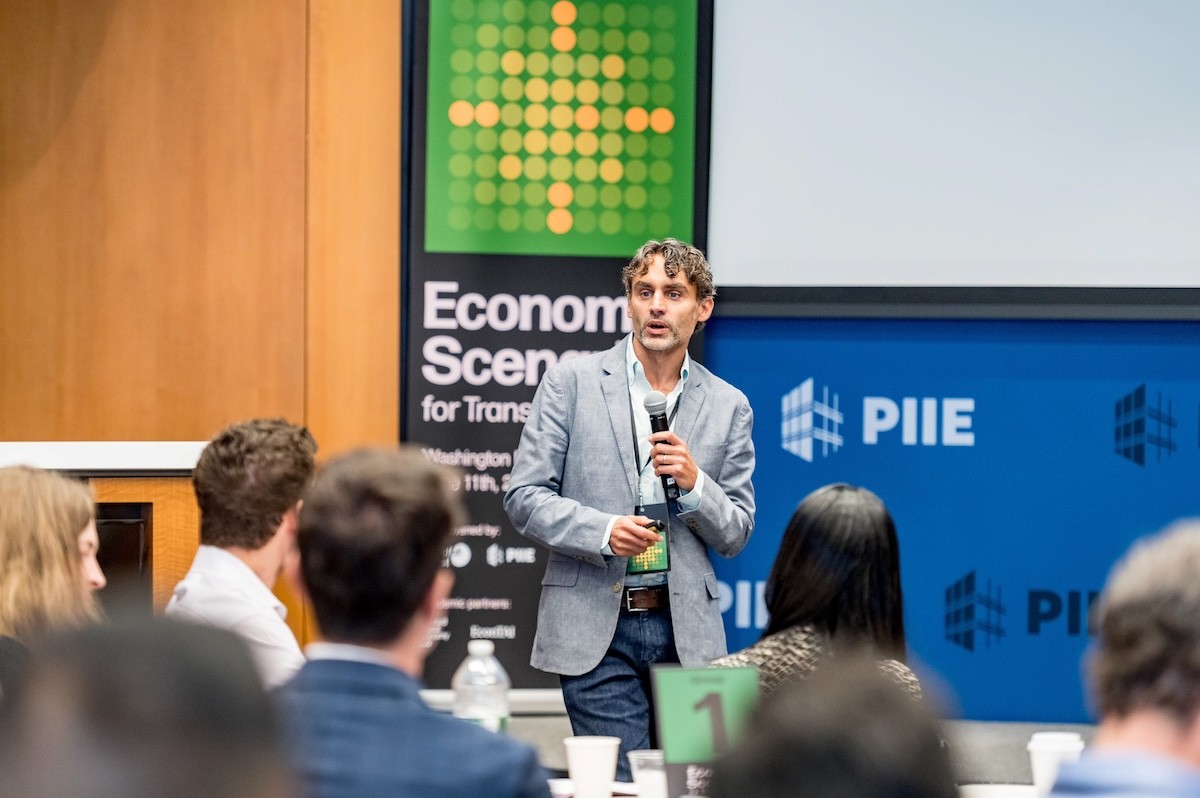
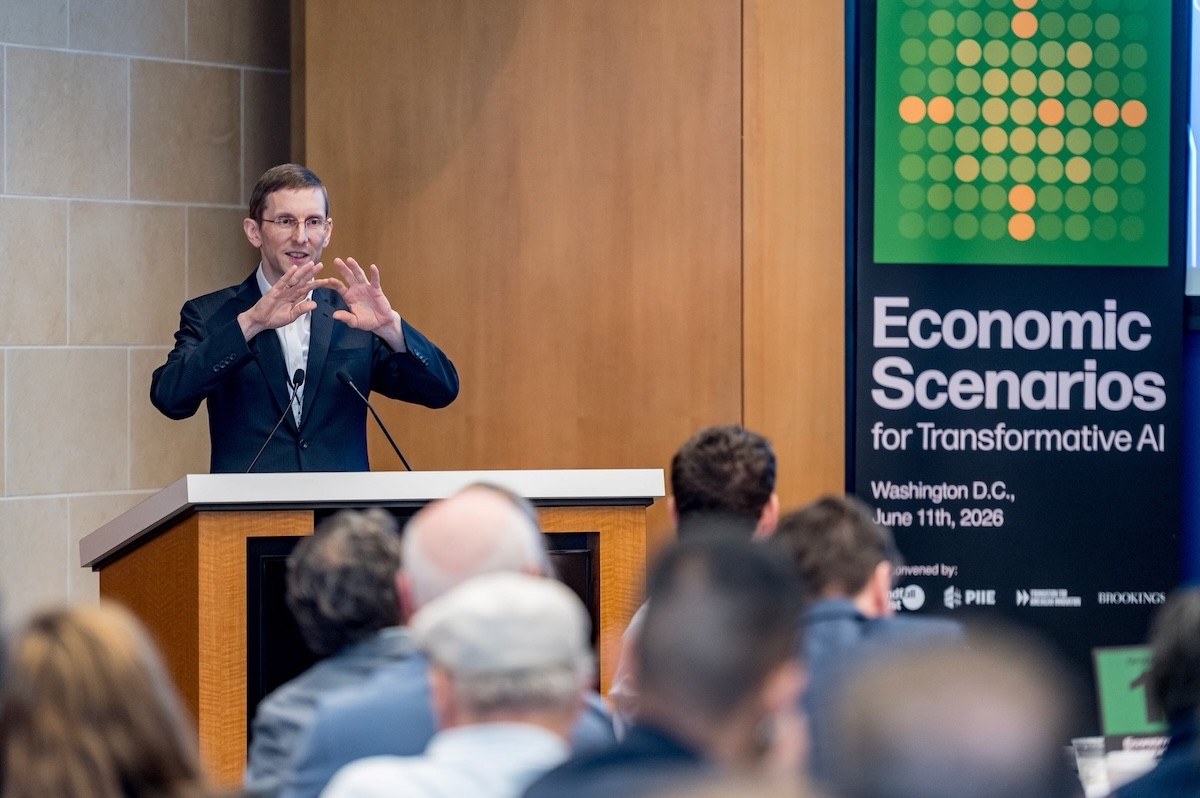
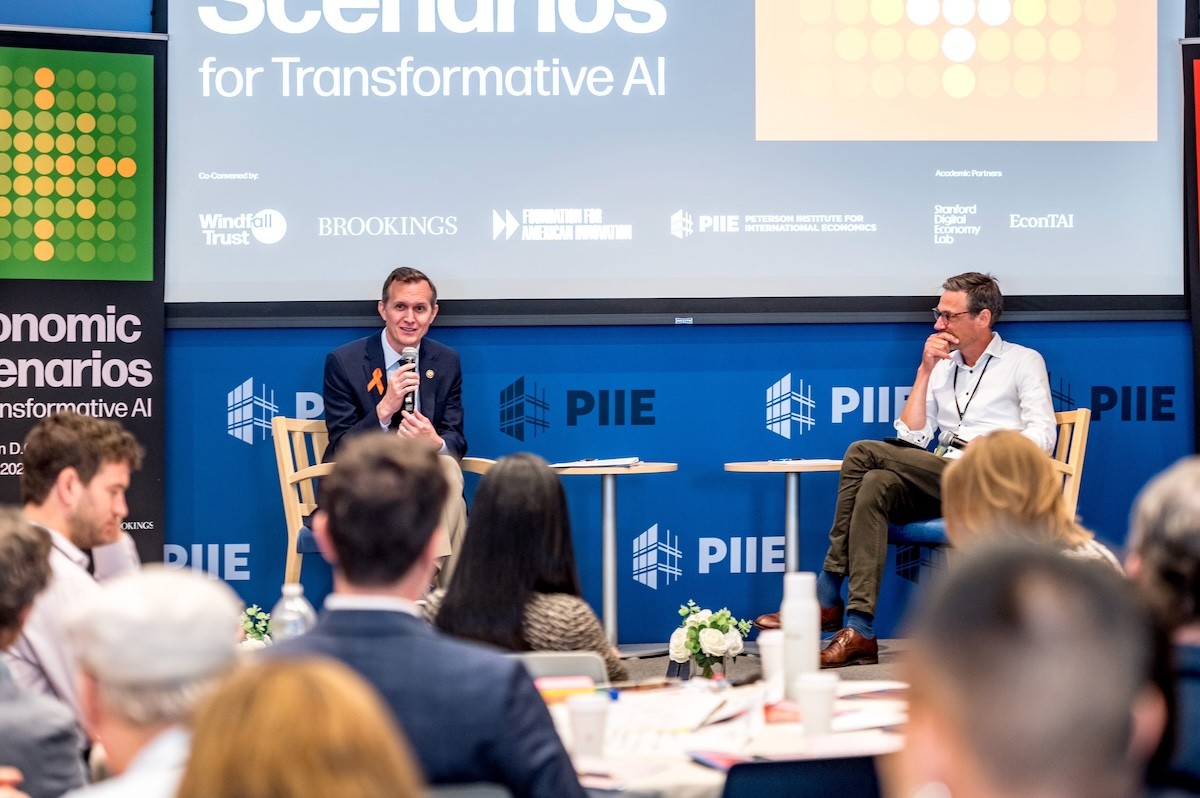
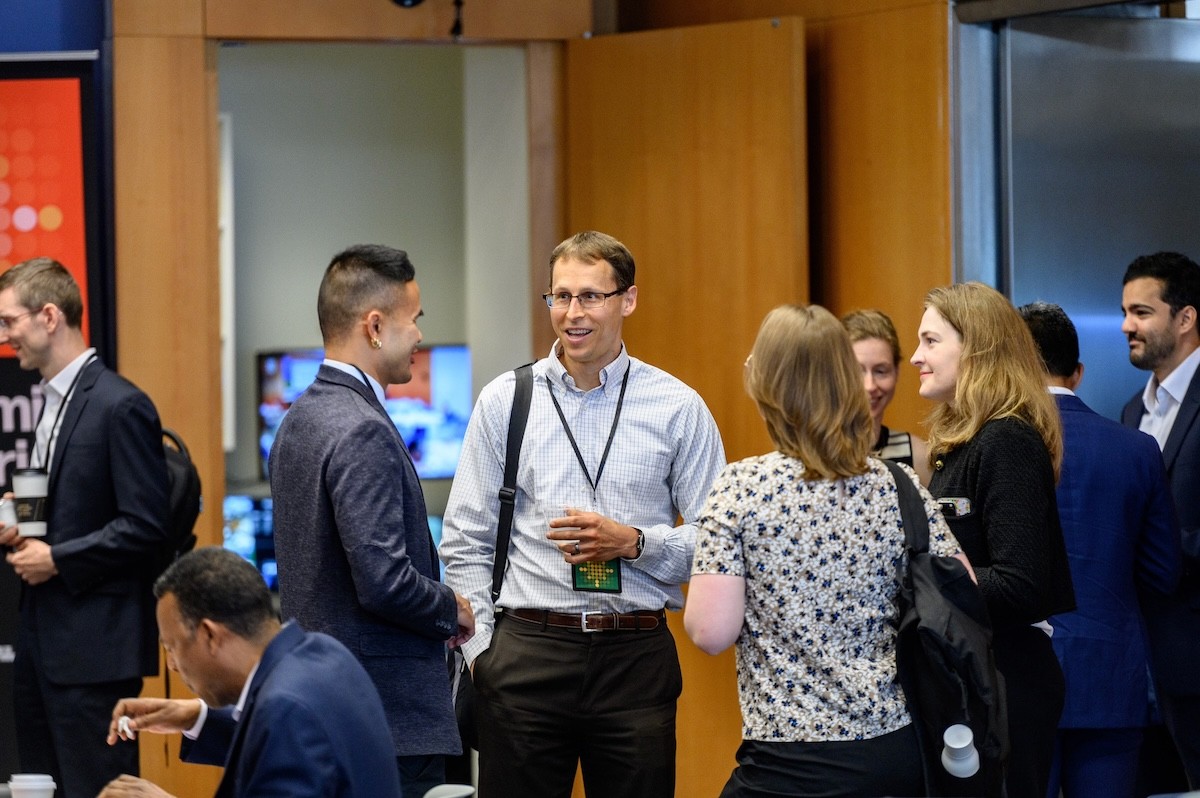
Washington, DC, June 11, 2026
Co-convened with the Brookings Center on Regulation and Markets, the Foundation for American Innovation, and the Peterson Institute, this workshop placed economists, AI researchers, and policymakers in a 2030 America where AI diffuses rapidly through white-collar work. GDP growth is strong, equity markets are soaring—and the middle class is pushed into precarity. The exercise took transformative AI's arrival as a given and tested something narrower and more practical: if this is where current trajectories lead, has the country done anything to prepare?


Preparing Switzerland for Transformative AI
Zurich, May 7, 2026
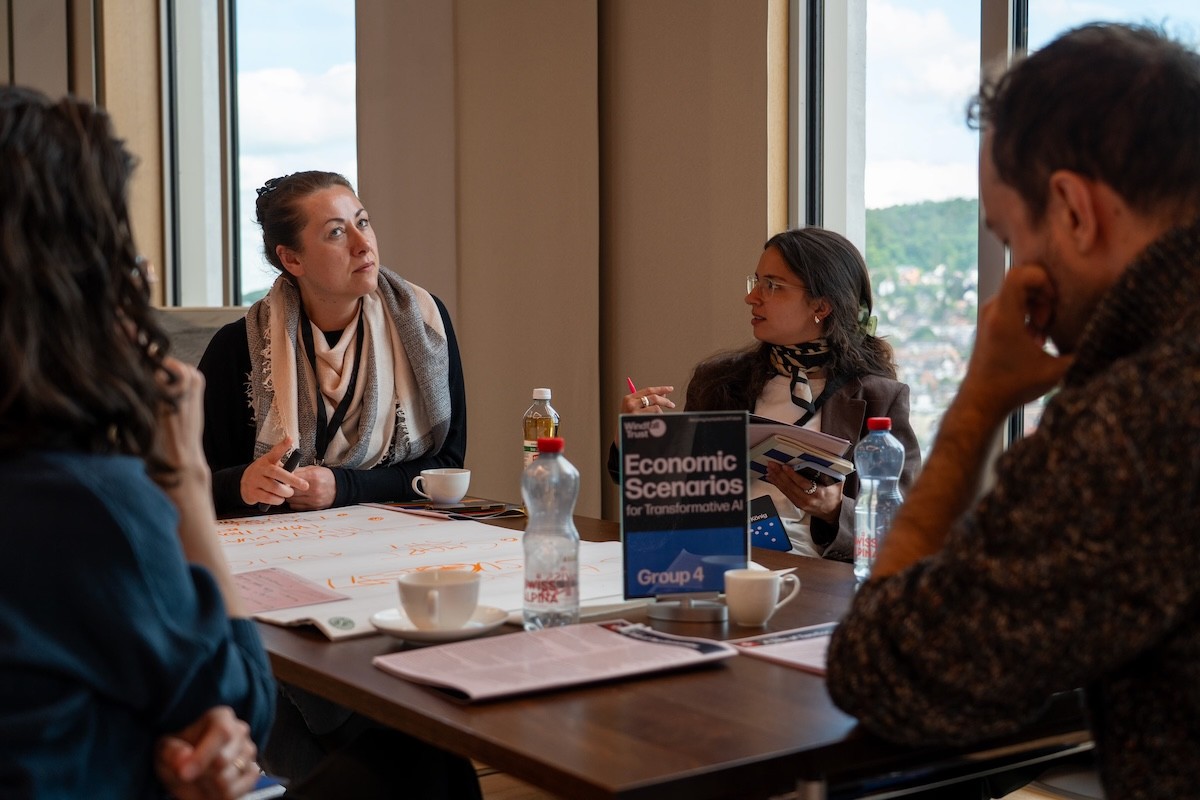
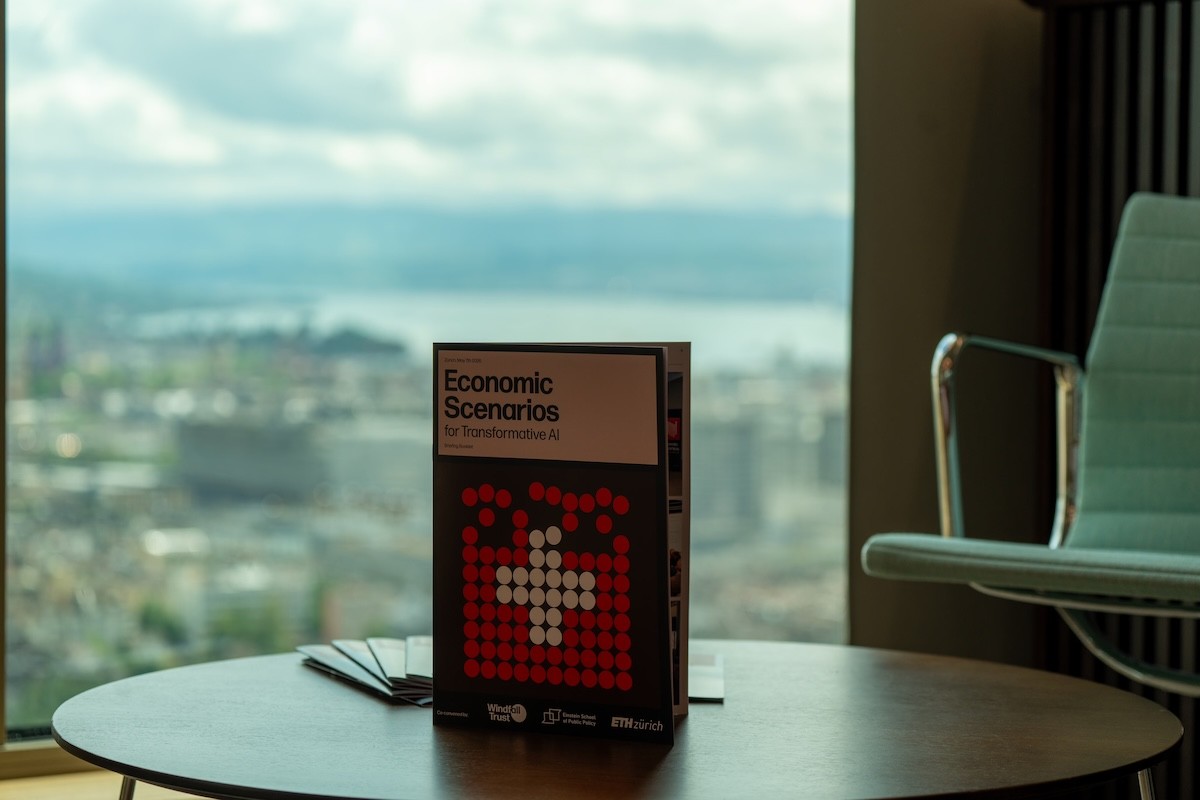
Co-convened with Elliott Ash of ETH's Law, Economics and Data Science faculty and the Albert Einstein School of Public Policy, this workshop placed economists, technologists, social partners, and policymakers inside a 2030 Switzerland where AI has automated much of the high-skilled professional work the country's competitive advantage rests on. Advising a federal council with a limited window, participants converged on an uncomfortable finding: the bottleneck is institutional, not intellectual—the policy levers exist, but the consensus-driven institutions that would have to pull them are built for gradual change, not an exponential one.

AI Economic Preparedness In Cities
Madrid, April 2026
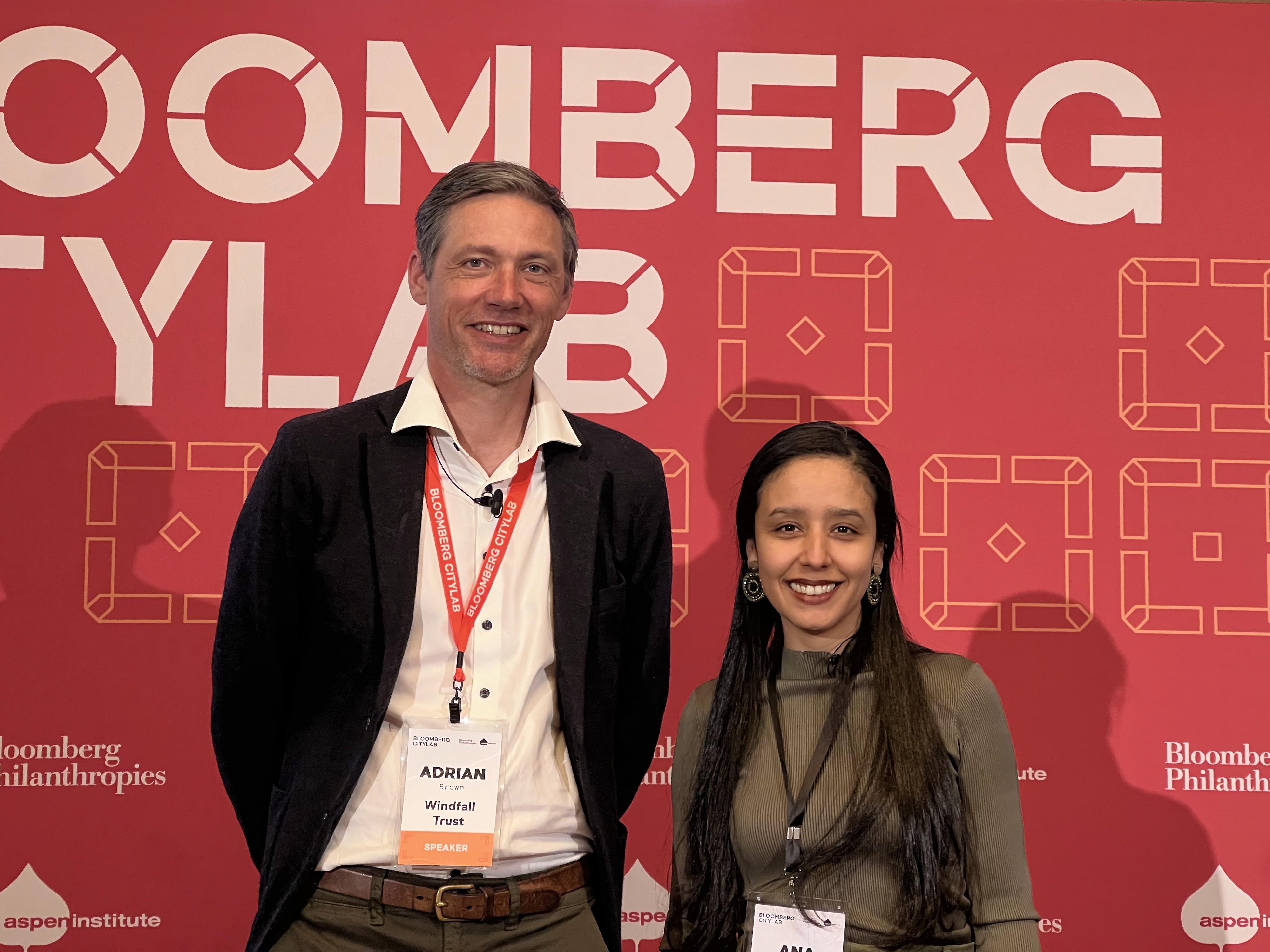
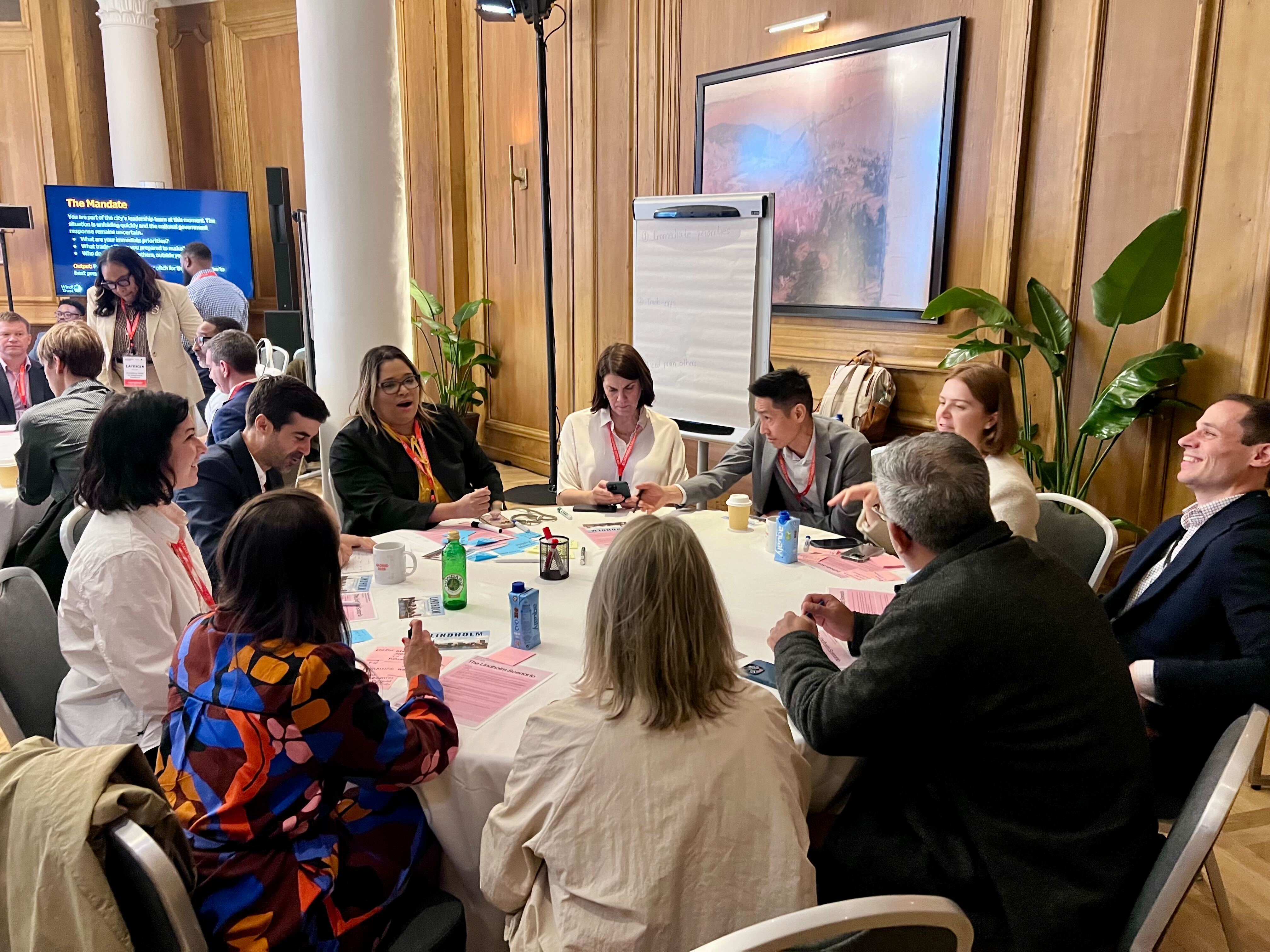
Co-convened with Bloomberg CityLab, this workshop brought together city leaders, urban economists and policymakers to stress-test what AI-driven economic disruption looks like when it lands in a specific city. Participants worked through the scenario where a mid-sized European city faces the sudden automation of 20,000 jobs, confronting the immediate trade-offs between stabilizing local labor markets, protecting municipal finances, and maintaining public trust with uncertain national support.
Policy Strategies for TAI
London, February 5th 2026
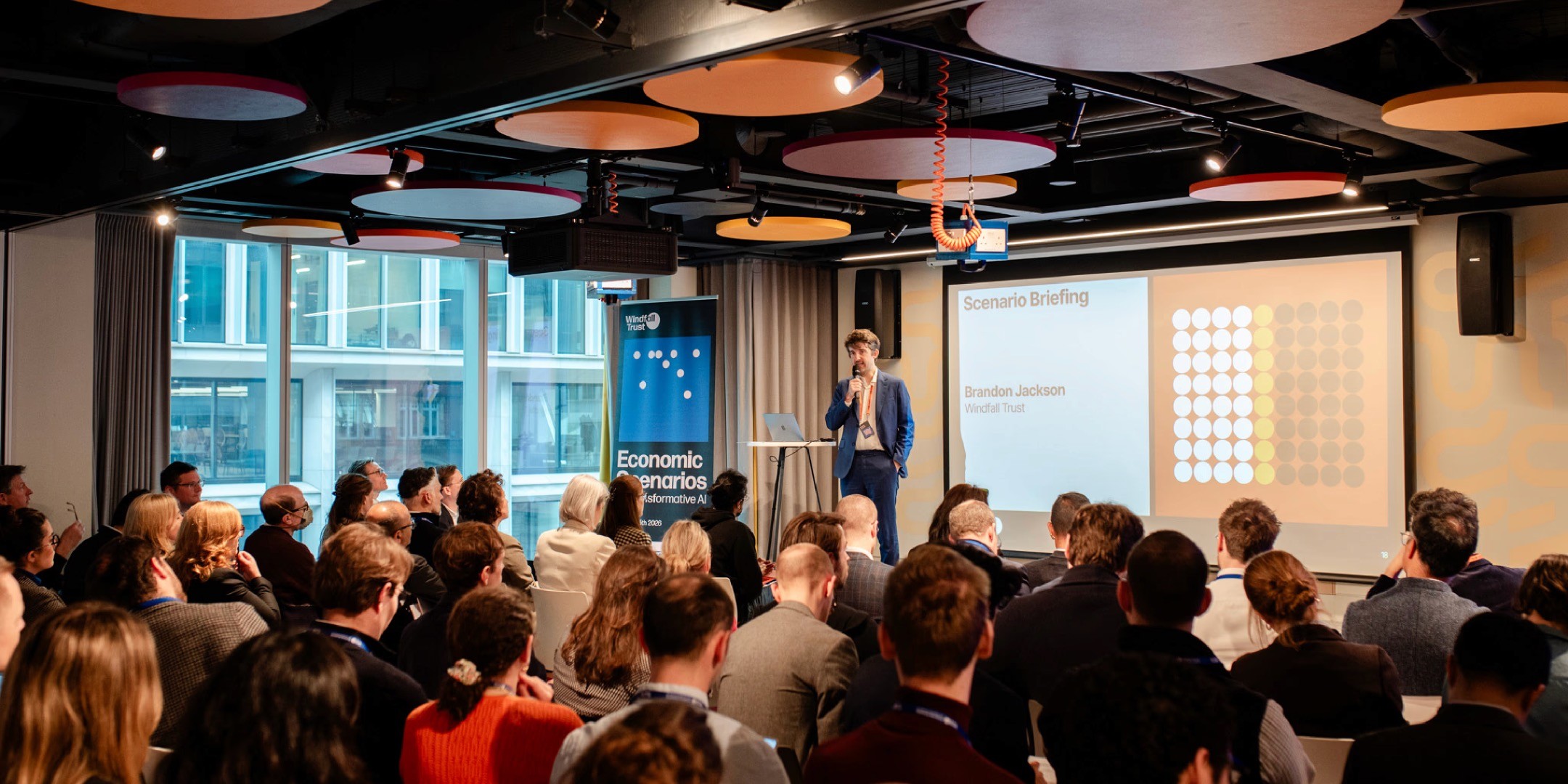
Built for UK policymakers, this workshop dropped participants into a bespoke scenario set in October 2030 — where AI-driven displacement of high earners has eroded the tax base even as GDP keeps climbing. Eight groups were tasked with the same brief: prepare the Prime Minister's three-point plan to strengthen the social contract.
Our Approach : Ideal Types and Worldbuilding
Pinning different futures next to one another
Treating assumptions as scaffolding, not commitments
Positive and normative exploration
Positive Economics
What will happen?
These scenarios focus on describing likely effects and outcomes given certain conditions, helping us understand economic dynamics in the absence of intervention. They are useful in identifying vulnerabilities and where our systems strain.
Normative Economics
What should we do?
These scenarios center on interventions, policies, and choices, exploring what actions might be desirable or necessary given certain conditions. They are useful in identifying foreground policy design, values, and trade-offs.
Beyond Equilibrium: The Transition Challenge
How fast will progress actually unfold?
How much time will our institutions have to respond?
What's the right sequence for policy interventions?
What feedback loops and cascading effects might we encounter along the way?